
Chosen Theme: Hiking Gear Essentials

Backpack Fundamentals: Fit, Capacity, Confidence

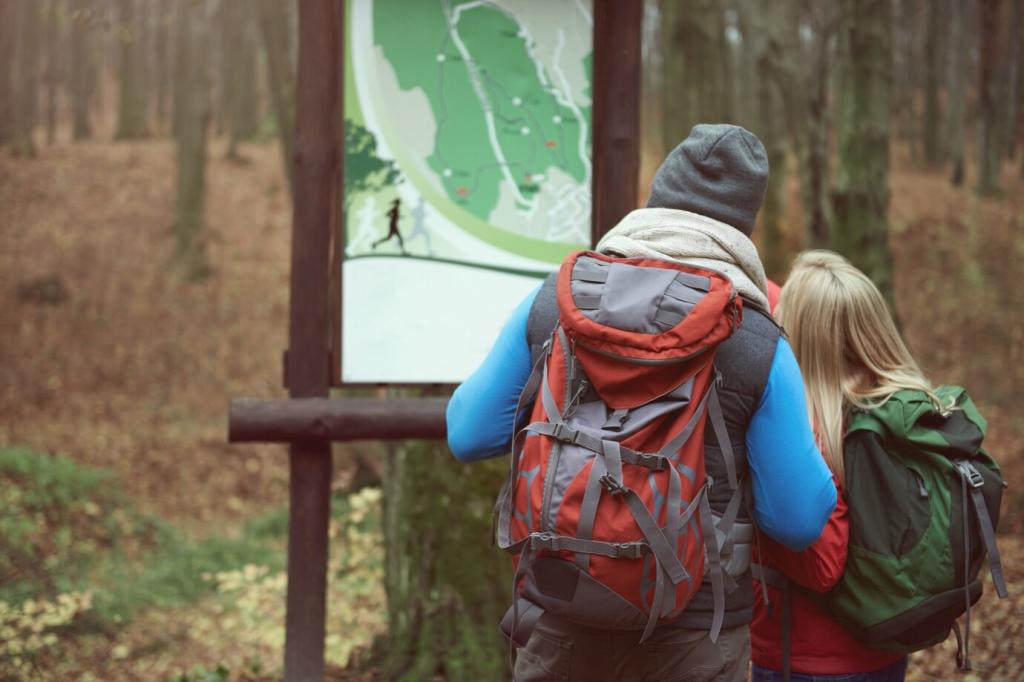
Match pack volume to distance, weather, and resupply. For weekend hikes, 30–45 liters often works. Winter or kid-supported trips need extra space. Comment with your go-to capacity and why.

Footwear That Goes the Distance

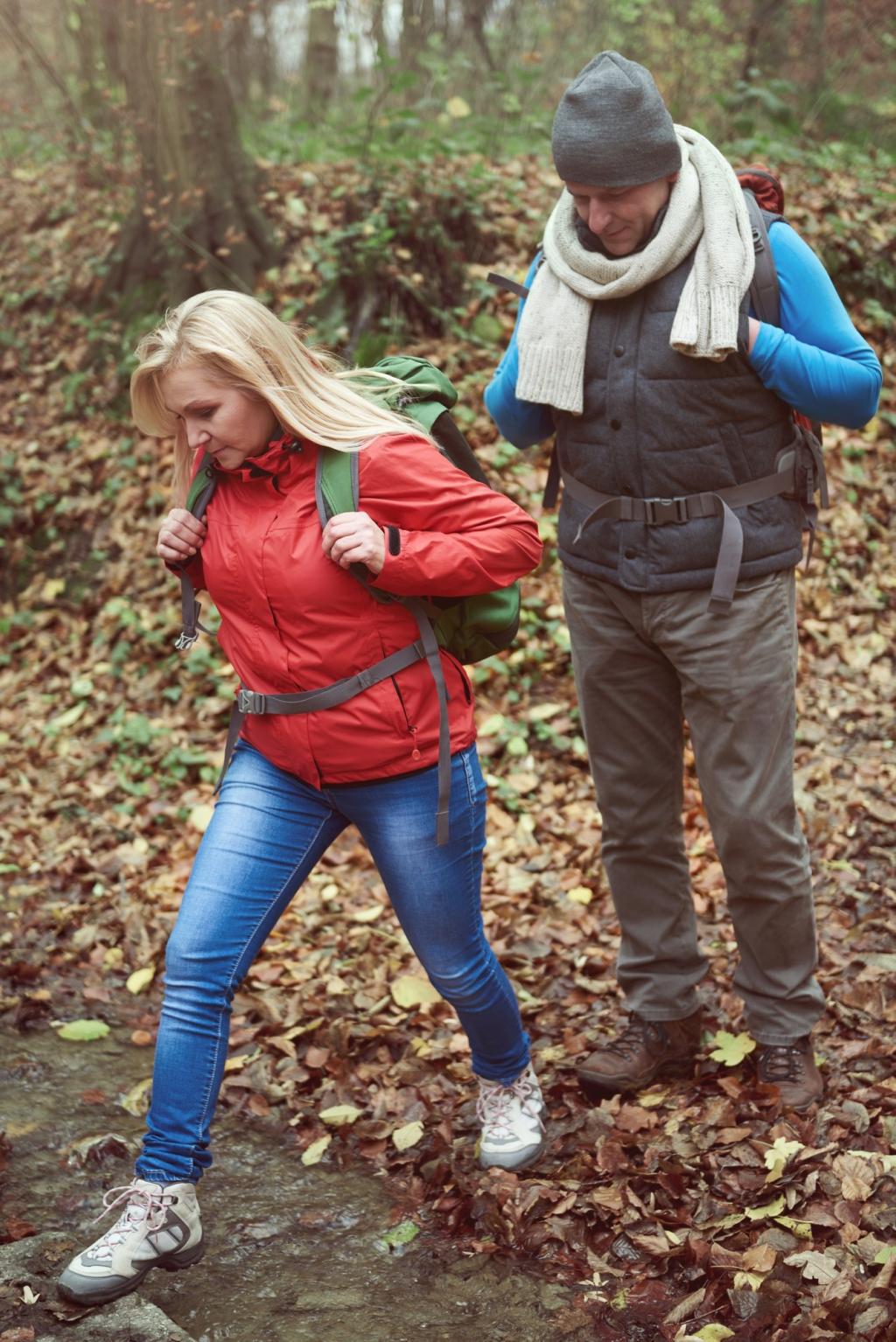
Boots add ankle structure and durability on rocky routes; trail runners are lighter and dry faster. Try both on varied terrain. Rotate insoles and track mileage to avoid sudden failures.

Footwear That Goes the Distance

Merino wool manages moisture and odor, while synthetics dry quickly. Consider thin liners under cushioned socks to reduce friction. Carry a dry pair to change at lunch and revive comfort.

Navigation You Can Trust

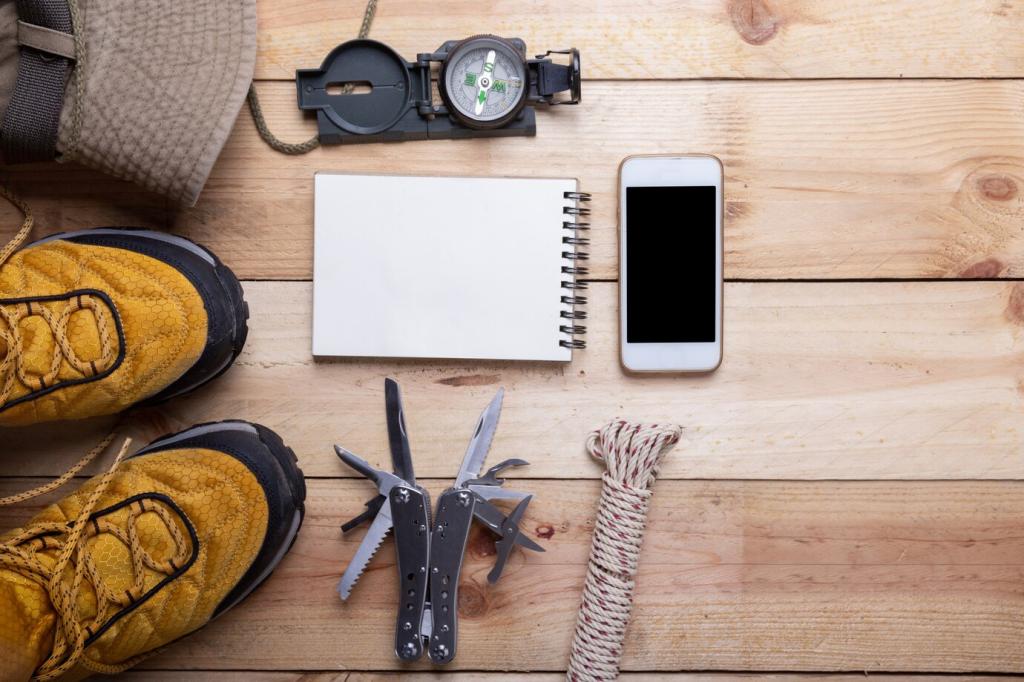
Carry a waterproof topographic map and a baseplate compass. Practice bearings at home. Keep them handy, not buried. Confidence grows when analog tools back up electronics during tricky junctions.

Navigation You Can Trust

Download offline maps, enable airplane mode, and pack a small power bank. Track recording drains phones; log sparingly. Note trail junctions in a notebook as a memorable, resilient breadcrumb.

Hydration and Water Treatment

Bladders encourage steady sipping and balance weight, while bottles are simple and reliable in freezing conditions. Test hose routing and pocket reach so drinking never interrupts trail momentum.

Hydration and Water Treatment

Hollow-fiber filters excel for clarity, but chemicals are lighter for shoulder seasons. UV pens shine for clear water. In winter, keep filters warm to prevent irreversible internal ice damage.
Shelter and Sleep System Confidence

Freestanding tents pitch fast on rock, while tarps demand skill but save weight. Seek natural wind breaks, avoid low cold sinks, and inspect for widow-makers before choosing your spot.

Layering That Adapts to Weather

Choose merino or quick-dry synthetics to move sweat. Avoid cotton. Swap into a dry top at camp to prevent chills. Light colors help with sun exposure on long alpine traverses.

Layering That Adapts to Weather

Down packs tiny and excels in cold, dry air; synthetic resists moisture and dries faster. Consider hybrid pieces. Stash gloves and a warm hat where they are instantly reachable mid-hike.

Safety, First Aid, and Signaling

Pack blister care, compresses, antihistamines, and pain relief. Add a small splint wrap and gloves. Customize for partners’ needs. Practice scenarios so your kit feels intuitive and immediately usable.

Safety, First Aid, and Signaling

Whistle, mirror, and a fully charged headlamp weigh little and speak loudly. In remote areas, consider a satellite messenger. Share a trip plan with someone you trust before every departure.

Trail Nutrition and Cooking Systems

Canister stoves boil fast; alcohol setups are minimalist but require care. Observe fire bans and wind screens. Always test your setup before dawn departures and cold camp breakfasts together.
Hayes-purple
Privacy Overview

This website uses cookies so that we can provide you with the best user experience possible. Cookie information is stored in your browser and performs functions such as recognising you when you return to our website and helping our team to understand which sections of the website you find most interesting and useful.