Choosing the Right Hiking Footwear: Step Into Confidence

Know Your Terrain Before You Lace Up

Trail Type and Outsole Traction

Gentle woodland paths favor flexible outsoles with shallow lugs, while rocky alpine routes demand aggressive traction and edging stability. Share your muddiest or slickest trail moment and the tread pattern that saved the day.

Elevation, Load, and Footwear Support

Steep climbs with a heavy pack ask for structured midsoles and torsional stability. Light day hikes invite more flex and agility. Tell us your usual pack weight and what support profile balances comfort for you.

Weather and Surface Variability

Granite slabs, rooty corridors, and sudden rainstorms each test grip and waterproofing differently. Describe a time changing conditions surprised you, and how your footwear either adapted gracefully or taught a hard-earned lesson.

Fit First: The Science of Comfort

Leave a thumb’s width of space to prevent downhill toe bang, and match width to your forefoot splay. If you’ve struggled with narrow toe boxes, share models that finally freed your toes.

Fit First: The Science of Comfort

Feet swell during the day and on trail. Test footwear in the evening wearing your hiking socks and insoles. Comment with your favorite sock combo and how it influenced your final size choice.
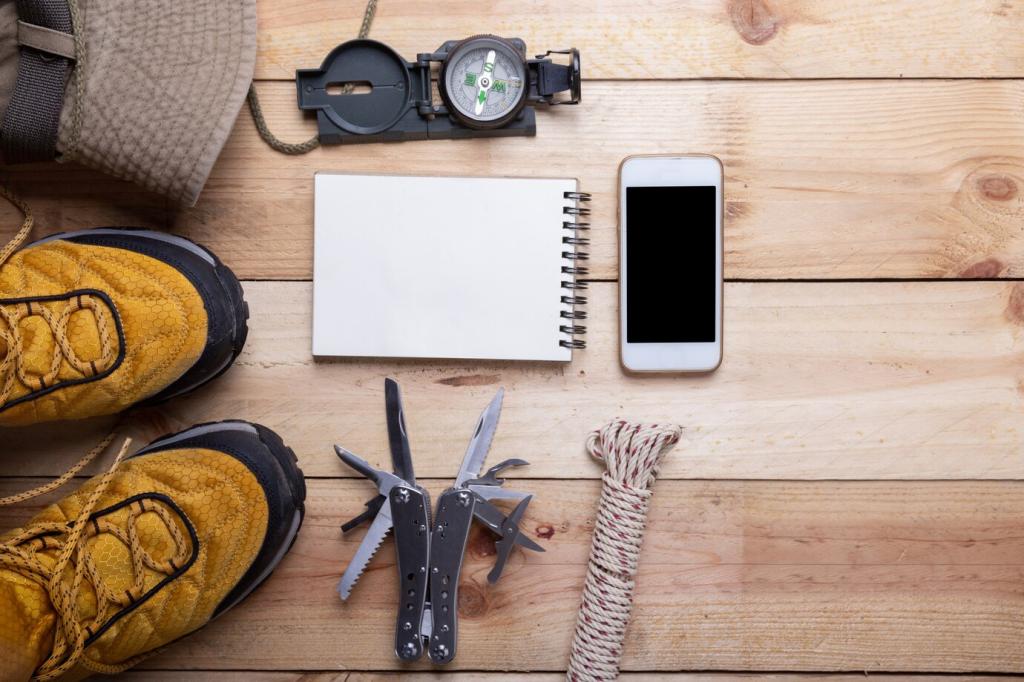

Boots, Shoes, or Trail Runners?

Boots shine with ankle-height protection, robust soles, and durability for scree, talus, and snow approaches. If you rely on boots for stability with heavier loads, tell us which pair carried you farthest.

Materials and Weatherproofing That Work

Leather vs. Synthetics

Full-grain leather offers longevity and support but needs break-in, while engineered mesh reduces weight and dries faster. Which side are you on for wet shoulder seasons? Compare maintenance and comfort in the comments.

Waterproof Membranes and Trade-Offs

Membranes block water but trap some heat. In warm climates, fast-drying non-waterproof shoes may outperform. Tell us about a crossing or downpour you faced and whether your membrane choice paid off.

Foot Health: Biomechanics, Insoles, and Break-In

Neutral walkers may thrive in flexible shoes, while overpronators benefit from medial support or stiffer platforms. Tell us your arch type and what insole or midsole finally reduced aches on long climbs.

Foot Health: Biomechanics, Insoles, and Break-In

Start with neighborhood walks, then short trails, gradually increasing distance. Tape hot spots preemptively and adjust lacing as swelling changes. Share your best break-in ritual to help newcomers avoid painful first trips.

Care, Longevity, and Sustainable Choices

Brush off grit, use mild soap, and air-dry away from heat to protect glues and fabrics. What’s your go-to drying trick after a stormy weekend without warping your shoes?

Care, Longevity, and Sustainable Choices

Reapply durable repellents and avoid harsh detergents that strip treatments. Rotate pairs to let midsoles rebound. Share your schedule for reproofing and when you noticed performance bounce back on wet trails.

Care, Longevity, and Sustainable Choices

Eyelets, laces, and insoles are easy fixes; some boots accept new soles. When retirement arrives, donate gently used pairs. Tell us a repair story that extended a beloved boot’s life another season.

Care, Longevity, and Sustainable Choices

Lorem ipsum dolor sit amet, consectetur adipiscing elit. Ut elit tellus, luctus nec ullamcorper mattis, pulvinar dapibus leo.

Hayes-purple
Privacy Overview

This website uses cookies so that we can provide you with the best user experience possible. Cookie information is stored in your browser and performs functions such as recognising you when you return to our website and helping our team to understand which sections of the website you find most interesting and useful.