Stop, breathe, look for hazards: loose rock, lightning, heat, cold, animals, unstable slopes, or hidden drops. Move the group to a safer spot if needed. Announce roles clearly, and ask bystanders to time and document. Your first aid essentials for hiking start with calm leadership.
Airway, breathing, and circulation come first
Check responsiveness, open the airway, look and listen for breathing, and scan for major bleeding. Apply direct pressure immediately. If breathing is compromised, prioritize positioning and rapid evacuation. Keep a simple ABC card in your kit; it anchors decisions when adrenaline clouds thinking on the trail.
Ongoing monitoring and reassessment
After stabilizing life threats, reassess every ten minutes or after any change. Note skin color, temperature, mental status, and pain trends. Record times and observations, because details blur. Invite your group to share monitoring duties; teamwork multiplies the impact of your first aid essentials for hiking.
Blisters, Sprains, and Strains: The Trail Regulars
Hotspots whisper before blisters shout. Stop early, dry feet, add tape or moleskin with a donut cutout, and change socks. If a blister forms, clean, drain at the edge, and protect with a non-adhesive pad. Share your favorite blister-prevention ritual so others can hike farther, pain-free.
Blisters, Sprains, and Strains: The Trail Regulars
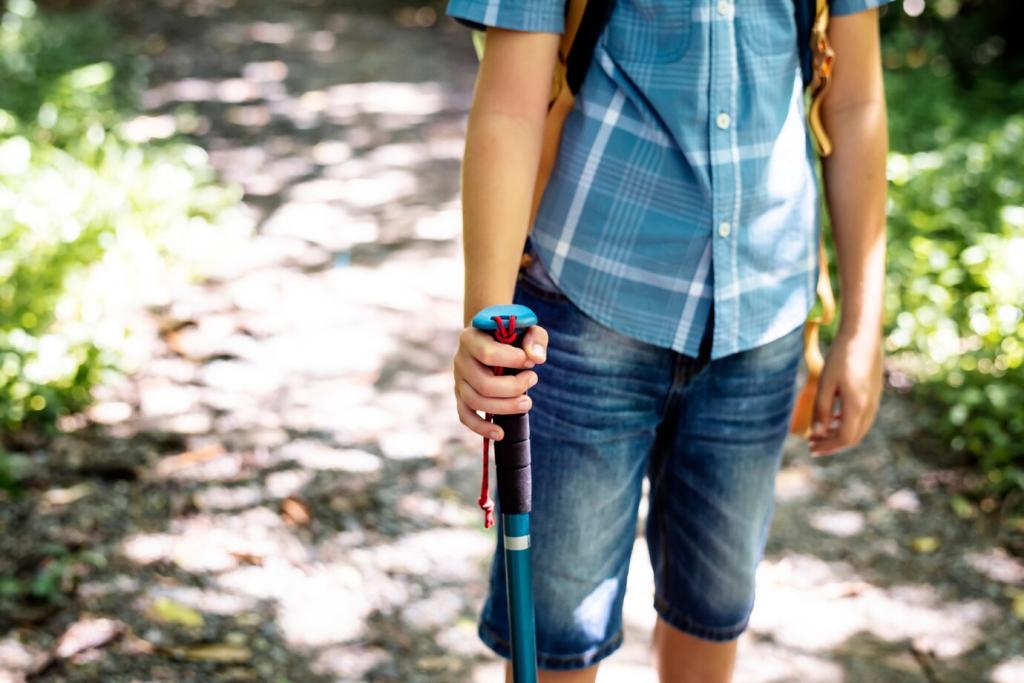
Rest, ice, compression, elevation—adapted for the wilderness. Use a compression wrap, cool the area with creek water in a sealed bag, then elevate on a pack. Test weight-bearing carefully. If instability persists, splint with a trekking pole. Comment with your wrap technique to help newer hikers learn.
Blisters, Sprains, and Strains: The Trail Regulars
Red flags include rapid swelling, deformity, numbness, or inability to bear weight. Shorten the day, redistribute loads, and plan exits. Pride is expensive; prudence is lightweight. Tell us about the hardest decision you made to turn back—and how good first aid judgment protected your group.
Consider mechanism of injury, vital signs, distance to trailhead, weather window, and team capacity. Decide early, before fatigue clouds judgment. Practice calmly stating your plan. What items would you add to a pocket-sized evacuation card focused on first aid essentials for hiking?
Decision-Making, Evacuation, and Communication
Carry a whistle, mirror, and a charged satellite messenger or PLB where signals are unreliable. Send concise texts: location, problem, patient status, and planned actions. Agree on check-in times before hiking. Share your satellite message template that gets rescuers the essentials fast without confusion.
Training, Practice, and Trip Planning
Take a wilderness first aid or first responder course. Refresh annually with short drills: splinting, wound irrigation, and patient assessment. Practice with gloves on. If you teach friends, you learn twice. Comment with a course recommendation that genuinely improved your confidence on alpine or desert hikes.