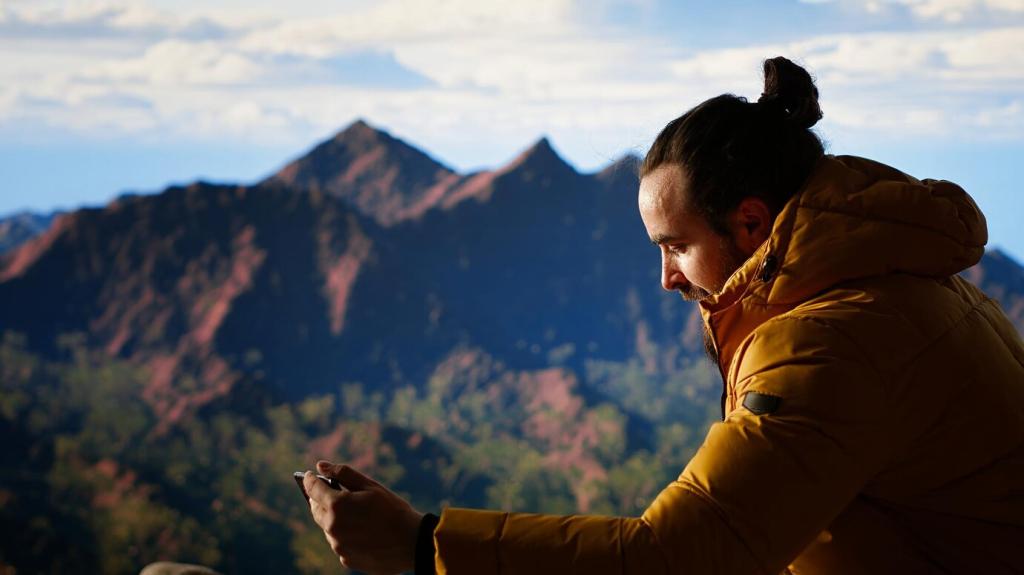
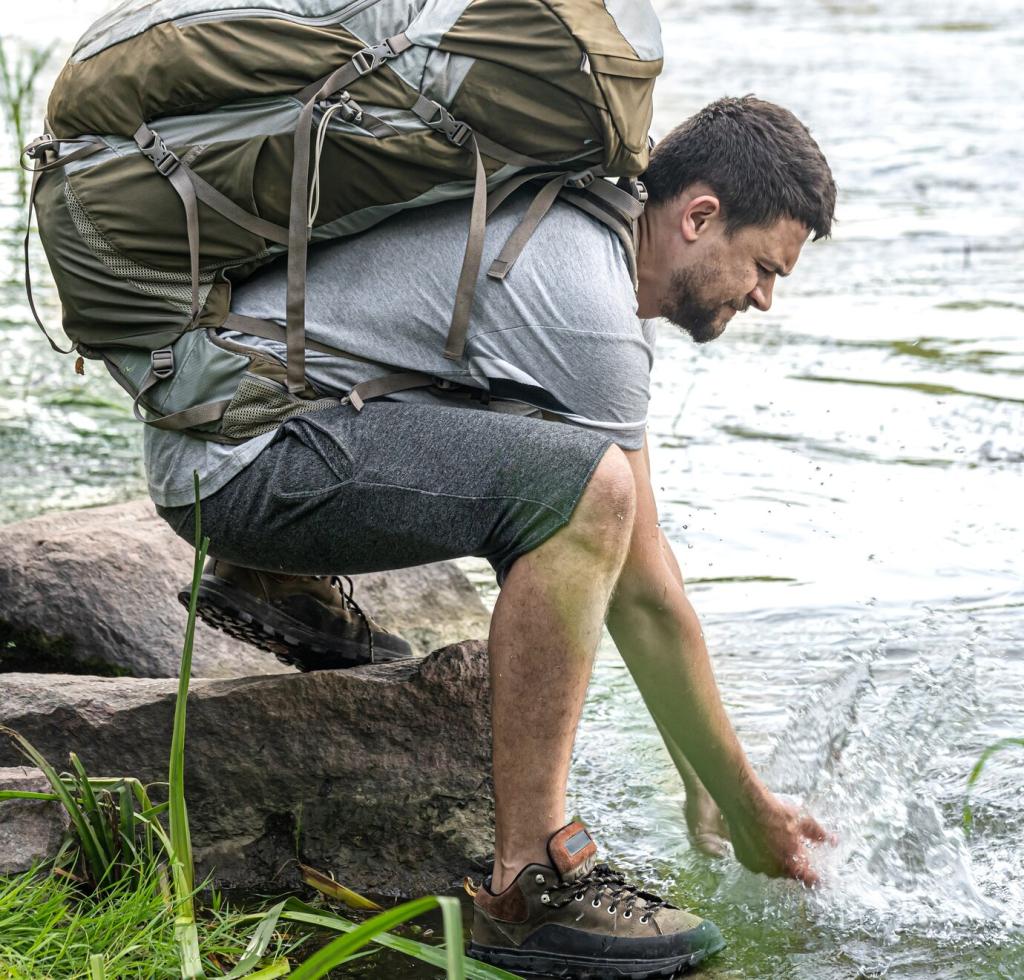
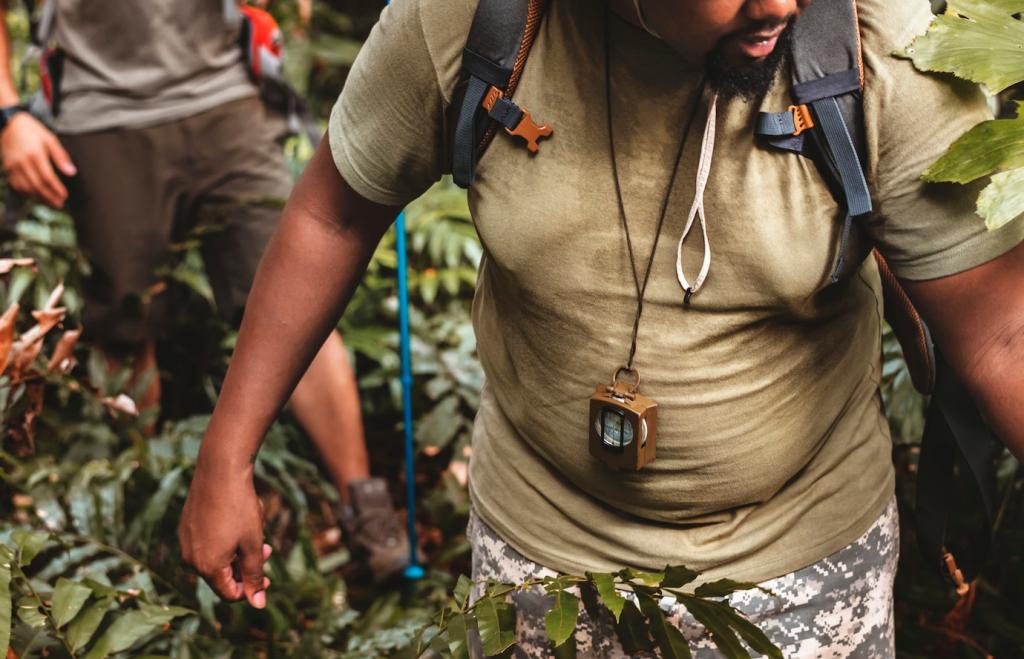
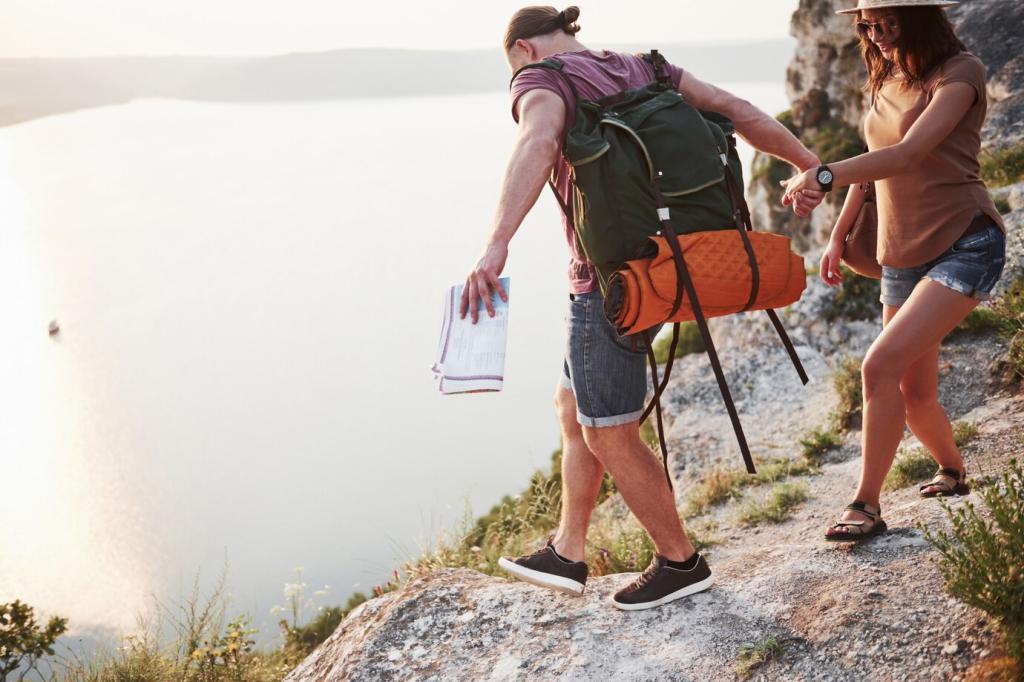
Combine national meteorological services with mountain‑specific tools like Mountain‑Forecast, windy visualizations, and local ranger notes. City forecasts miss ridge winds, valley fog, and temperature inversions that matter profoundly when hiking exposed terrain or camping near passes.
Forecasts That Follow Your Footsteps
Hourly charts reveal windows for safe summits and dry lunches. Adjust for lapse rates: roughly 3.5°F per 1,000 feet (about 2°C per 300 meters). Colder, windier ridgelines and shaded north aspects can transform a mild valley day into a hypothermia risk.
Reading the Sky in Real Time
Towering cumulus growing dark and anvil‑topped can signal thunderstorms. Thin mare’s tails hint at incoming fronts. A lowering ceiling over hours often precedes steady rain. On a Catskills traverse, recognizing thickening altostratus let our group accelerate and beat the soaking by forty minutes.
Reading the Sky in Real Time
Sudden gusts funneling through saddles can betray an approaching cell. Petrichor intensifies before showers on hot days. Distant thunder carries farther over alpine bowls than forests. Notice how ridge winds surge ahead of storms, then drop abruptly as heavy precipitation finally arrives.
Layering Systems that Breathe and Protect
Rain strategy: venting beats sauna suits
Choose shells with pit zips and air‑permeable fabrics to balance protection and breathability. Vent early before you overheat. Pair a brimmed cap with the hood to keep eyes clear. On soggy coastal trails, small ventilation choices prevented sweat‑chill more than thicker membranes ever could.
Cold management: insulation and extremities
Carry an active‑insulation layer for movement and a lofty piece for breaks. Warm head, hands, and feet first. Windproof mitt shells extend glove range dramatically. Pack a dry emergency layer in a waterproof bag so a surprise squall cannot steal your heat at lunch.
Heat resilience: sun, airflow, and fabrics
Light, long‑sleeve UPF clothing, breathable weaves, and neck gaiters soaked in water reduce heat stress. Mesh back panels and loose fits allow convective cooling. In desert canyons, white or light colors significantly lowered perceived temperature during exposed climbs between scarce shade pockets.
Thunderstorm Tactics on Exposed Terrain
When cumulus towers darken and flatten into anvils, storms may mature rapidly. Use the flash‑to‑bang count: if thunder follows lightning within 30 seconds, move to safer terrain, and wait 30 minutes after the last thunder before re‑exposing yourself to ridges or summits.
Thunderstorm Tactics on Exposed Terrain
Avoid lone trees, ridge crests, and open meadows. Head for lower, uniform stands of trees away from water and metal. Spread your group, crouch on insulating packs if needed, and keep trekking poles stowed. Prioritize exit lines you identified earlier while skies were still friendly.
Cold, Snow, and Shoulder‑Season Surprises
Watch for fumbling, apathy, and the ‘umbles’: mumbling, stumbling, grumbling. Treat early with dry layers, calories, and movement. Wind magnifies risk near lakes and passes. A friend once perked up within minutes after we added a vapor barrier and hot drink during sleet.