Mastering the Art of Planning Your Hiking Route

Study the Map: Terrain, Contours, and Hazards

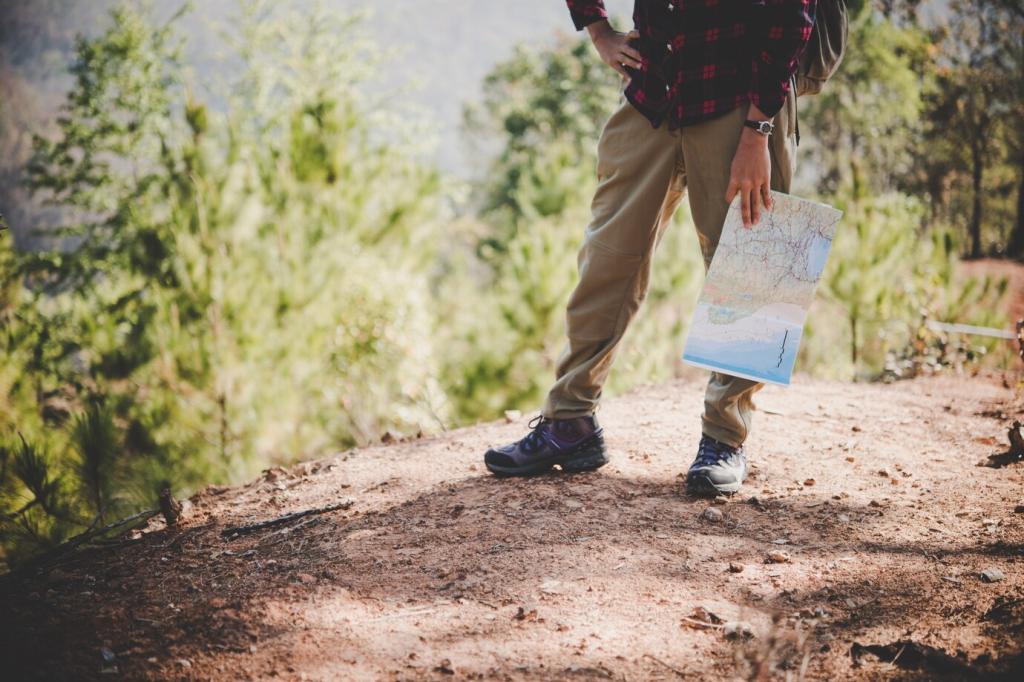
Close lines whisper steep climbs; broad spacing signals reprieve. Ridges often make safer, drier travel than gullies after storms. I once misread a saddle and added two sweaty hours. Tell us your contour epiphany and help a beginner avoid the same mistake.

Study the Map: Terrain, Contours, and Hazards

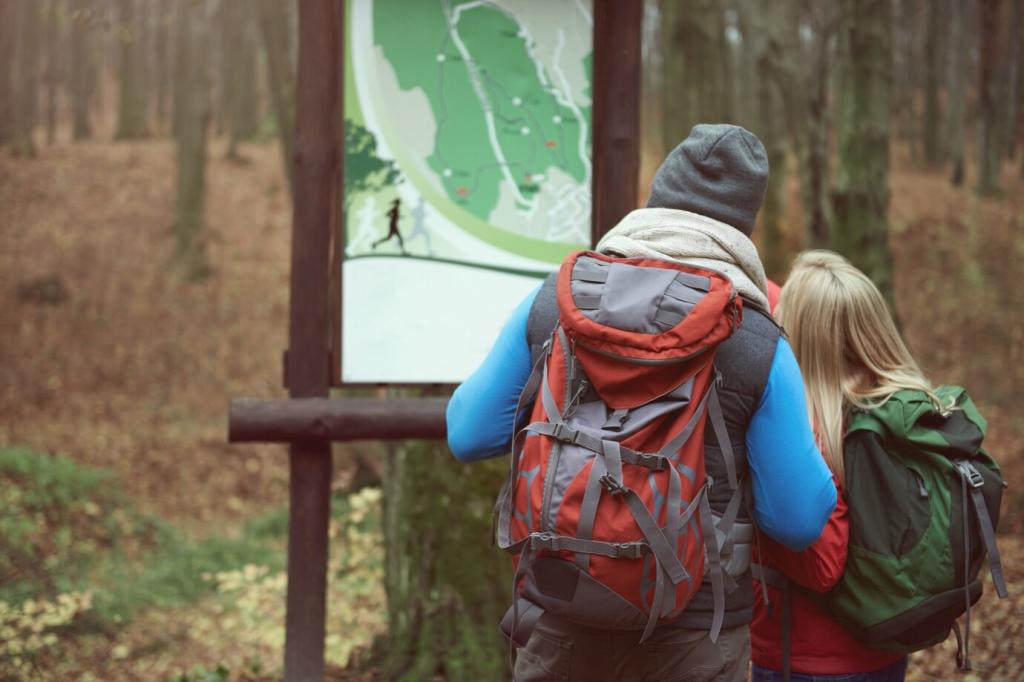
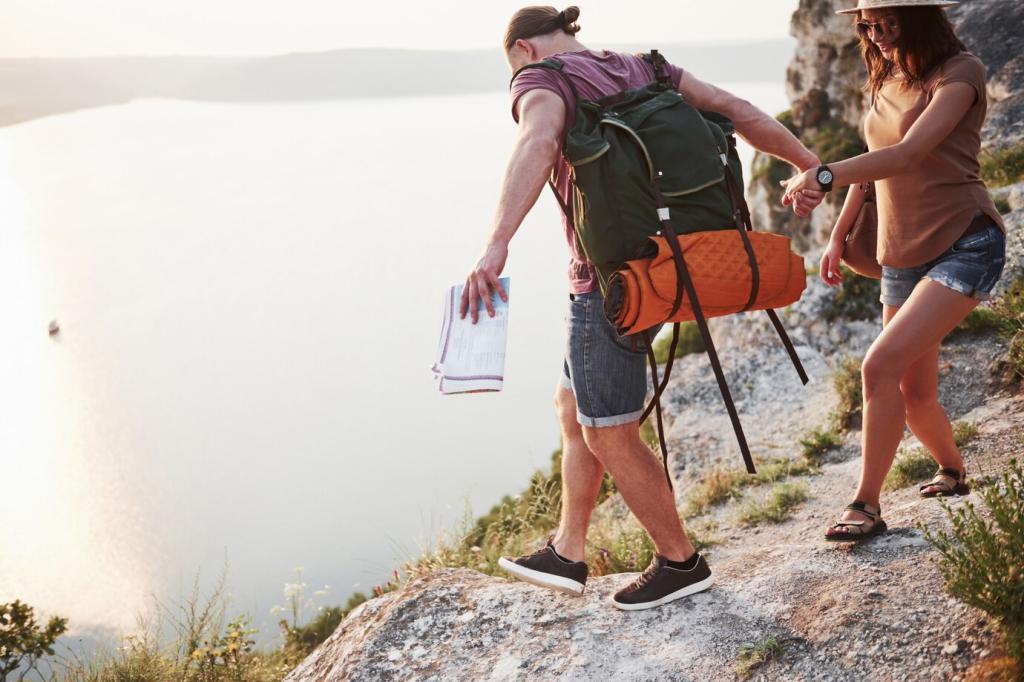
Blend topographic maps for elevation, satellite imagery for vegetation and snow, and community data for trail conditions. Cross-check multiple sources to avoid outdated trails. Comment with your favorite map layer combination, and we’ll compile a community-approved toolkit for future readers.
Compare regional forecasts, local mountain reports, and hourly models. Look for agreement on wind, precipitation, and storm timing. Note how fronts shift through passes. Share your go-to forecast lineup so others can refine their route-timing decisions with better information.

Weather Windows and Seasonal Timing

Offline maps and battery strategy

Download multiple offline map areas and organize them by segments. Keep your phone in airplane mode, carry a small power bank, and protect electronics from moisture. Tell us your battery-saving tricks so others can navigate confidently on long, remote routes.

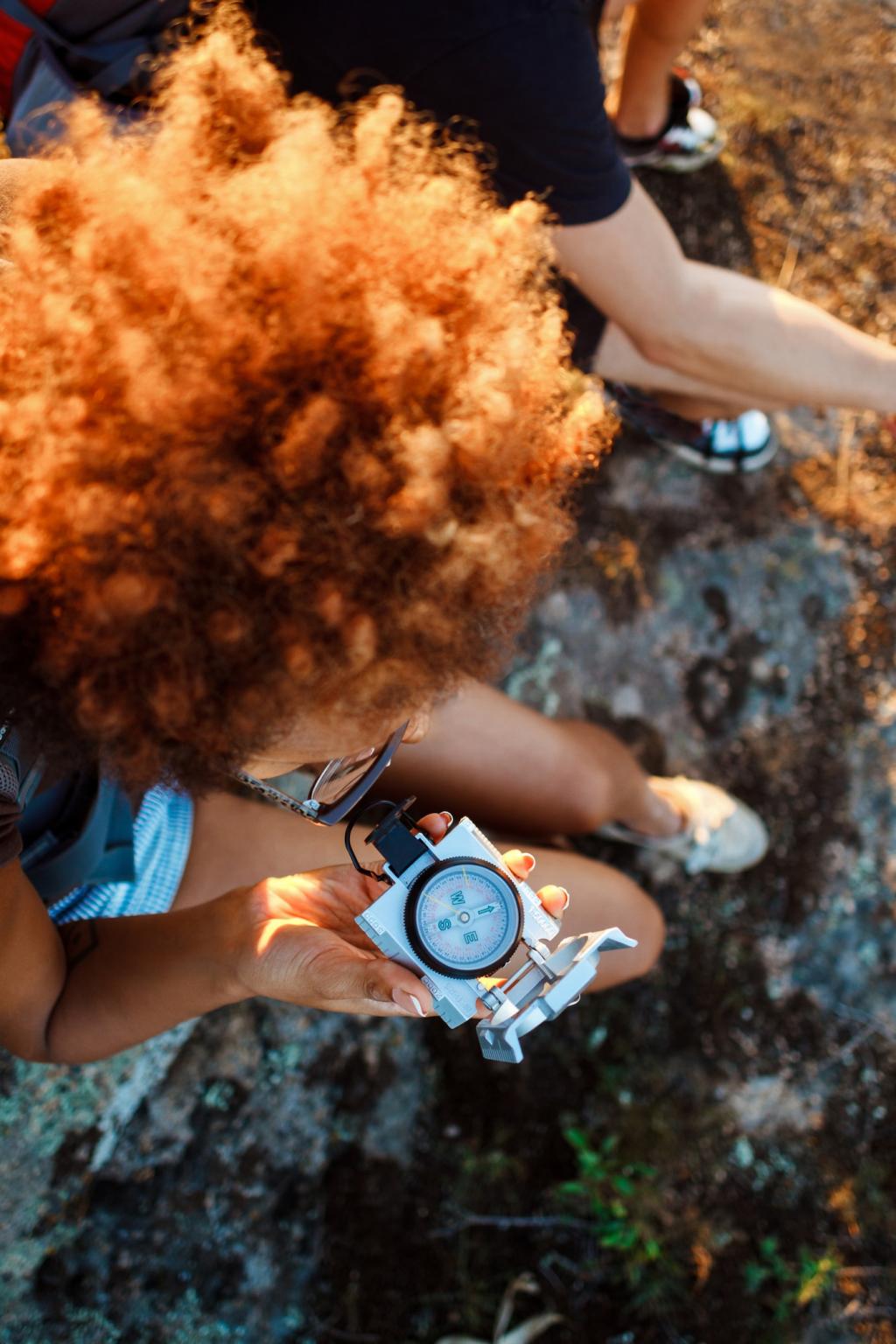
Compass bearings and natural handrails

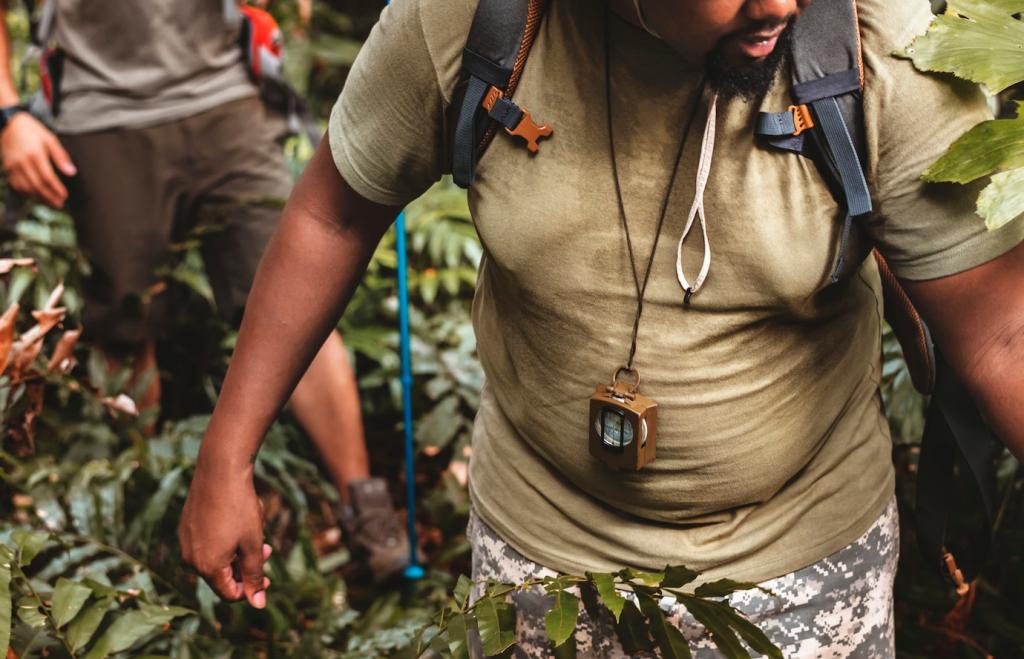
Plan simple bearings between recognizable features and use rivers, ridges, and roads as handrails. A short bearing across open ground can save hours of wandering. Share your best handrail story and inspire someone to practice before their next big route.

Create waypoints, bailouts, and decision points

Mark water sources, camps, junctions, and pre-planned bailout routes. Add decision points with criteria like time, weather, and group energy. What’s your smartest bailout that saved the day? Tell us and help normalize flexible planning in the backcountry.

Logistics: Permits, Water, and Transport

Research quotas, camping rules, and fire restrictions well in advance. Screenshot confirmations and keep offline copies. If plans change, know how to adjust legally. Comment with a permit portal you find reliable so others can avoid last-minute scrambles.

Logistics: Permits, Water, and Transport

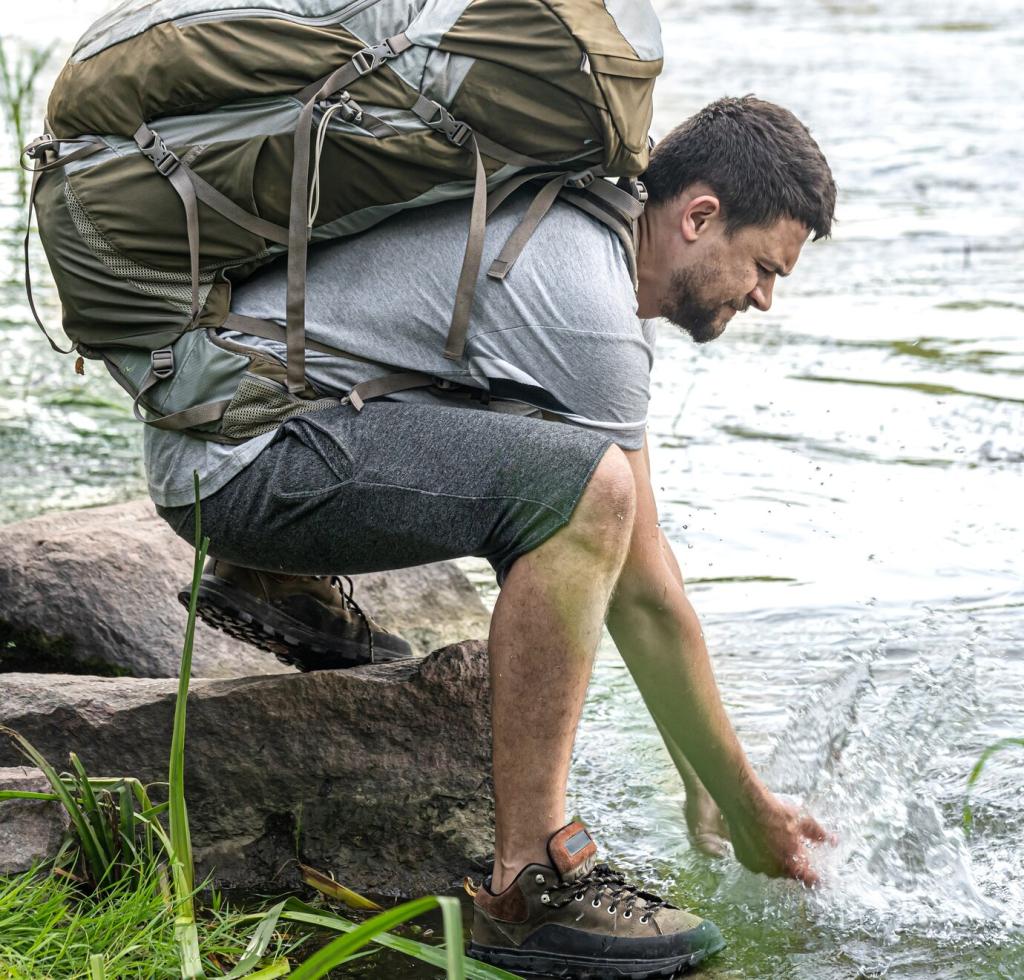
Identify dependable sources, seasonal reliability, and backup options. Plan treatment methods for speed and safety, and avoid fragile springs when crowds surge. Share your best water-planning strategy, especially for dry seasons, to help the community conserve and stay hydrated.

Calculate pace with elevation gain

Use a rule of thumb, then adjust for terrain, altitude, and load. Steep, rocky miles feel longer than smooth forest singletrack. Share your real-world pace on your favorite terrain to help others reframe unrealistic distance expectations.

Plan breaks that actually restore energy

Schedule short, regular pauses where views are rewarding and wind is manageable. Fuel early, often, and with familiar snacks. Comment with your favorite morale-boosting break ritual so new hikers learn how strategic rests power steady, happy progress.

Center planning on the slowest hiker

Build the day around the most conservative pace and comfort level. Agree on signals for fatigue and fun detours before you start. What group agreement saved your trip? Share it to normalize compassionate planning and better trail camaraderie.

Safety Layers and Contingency Planning

Define specific signals—deteriorating weather, missed time targets, low energy—that trigger a retreat. Decide in advance so emotions don’t override judgment. Post your favorite pre-trip safety mantra to encourage confident, decisive choices in tricky moments.

Safety Layers and Contingency Planning

Leave an itinerary with a trusted person who knows when to worry and whom to call. Share live location only when appropriate, and protect privacy. Tell us how you balance safety and discretion, and we’ll compile community best practices.

Safety Layers and Contingency Planning

Pack skills and supplies for likely issues: blisters on long descents, heat stress on exposed ridges, or hypothermia near alpine lakes. Which first-aid item saved your day? Share it so others rethink what belongs in a route-specific kit.

Leave No Trace, Designed Into Your Route

Choose durable surfaces and camp wisely

Favor established trails, rock, or dry, durable ground. Avoid meadows after rain and give water sources space. Comment with your best campsite-finding principle so newcomers see how thoughtful planning preserves wild character for everyone.

Respect wildlife corridors and quiet hours

Route away from sensitive habitats during migration or calving. Travel quietly at dawn and dusk when animals are active. Share a respectful wildlife encounter that shaped your planning so others can learn to coexist with grace.

Share route info without harming places

Offer helpful safety details without broadcasting fragile locations that can’t handle traffic. Encourage stewardship groups and volunteer days. Tell us how you share responsibly, and we’ll highlight community guidelines for ethical trip reports and map screenshots.
Hayes-purple
Privacy Overview

This website uses cookies so that we can provide you with the best user experience possible. Cookie information is stored in your browser and performs functions such as recognising you when you return to our website and helping our team to understand which sections of the website you find most interesting and useful.