Safety Tips for Solo Hikers: Start Smart, Walk Confident

Plan, Tell, and Time Your Route

Write down trail name, distance, elevation gain, expected start and finish, water sources, and bailout options. Leave it with a trusted contact, including check-in windows and a late-back plan. Precision here prevents panic later and speeds help if needed.

Plan, Tell, and Time Your Route

Solo hikers thrive by matching ambition with conditions. Start with familiar routes, moderate terrain, and reliable signage. Consider elevation, remoteness, weather patterns, and your fitness. Progress gradually, learn the area’s quirks, and celebrate small, safe wins before stretching farther.

Navigation You Can Trust

Master map and compass basics

Learn to read contour lines, take bearings, and triangulate. Keep map and compass accessible, not buried. Practice quick micro-navigation on easy trails. When fog or forest closes in, these analog skills cut through doubt and keep your feet on the safest line.

Use digital tools wisely

Download offline maps, calibrate your compass, and understand GPS drift under trees or cliffs. Keep your phone in airplane mode, carry a small power bank, and avoid blindly following a track. Let the screen inform your decisions, never dictate them.

Read the land as you go

Lift your eyes often. Match the map to ridgelines, creek bends, and distinctive rocks. Take back bearings, note trail forks, and form a breadcrumb memory. This habit prevents subtle drift becoming real trouble. What landmark trick helps you most? Tell us below.

Pack the Essentials, Pack with Intent

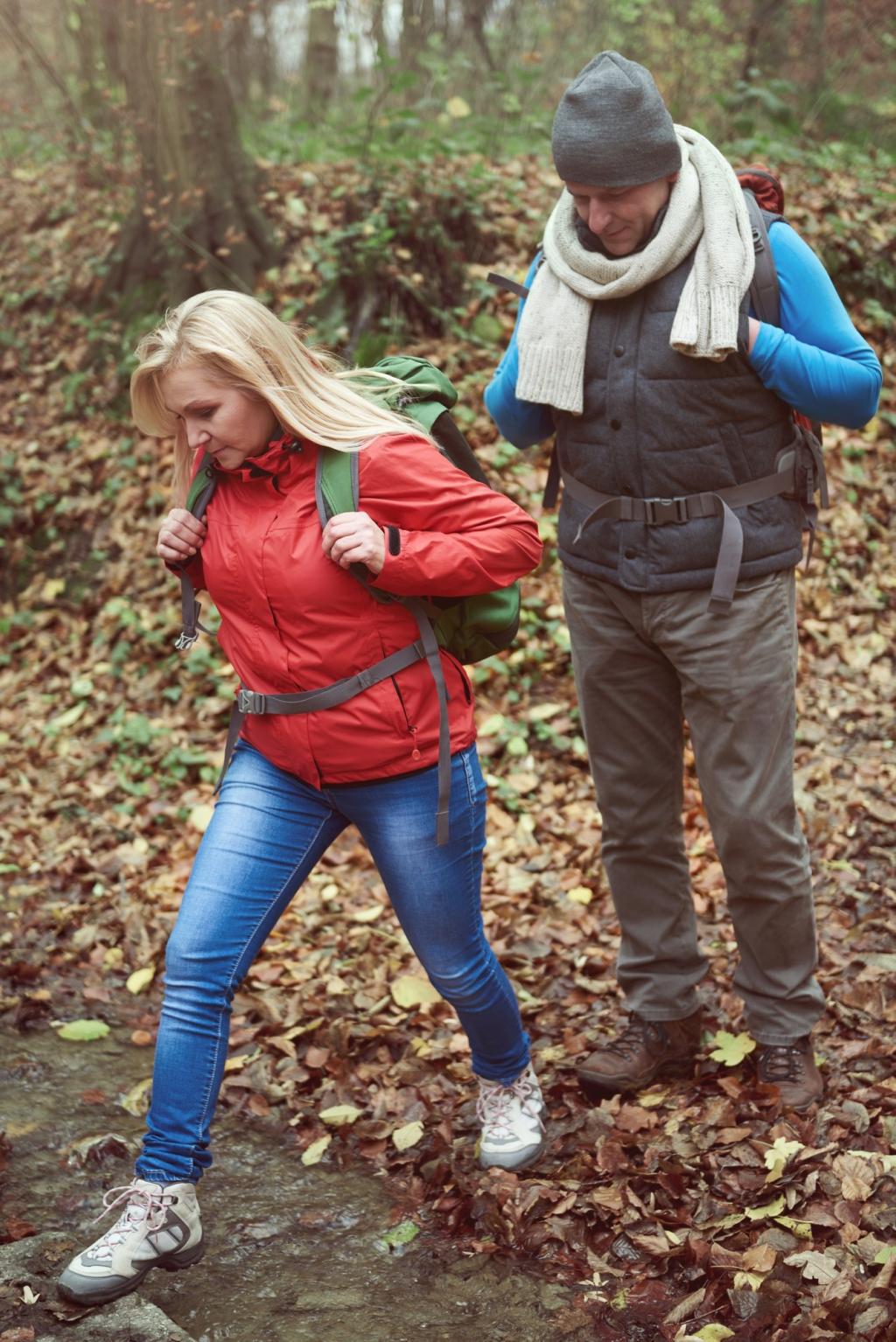
Use a wicking base, warm midlayer, and protective shell, plus sun hat, gloves, and a cozy buff. Pack a dry bag liner for storms. Bright outerwear improves visibility in search scenarios. Have a layering system you love? Share it to help another solo hiker.

Pack the Essentials, Pack with Intent

Carry adequate water, then plan sources and purification backups. Add electrolytes in heat or long climbs. Choose calorie-dense snacks you enjoy when tired. Schedule sips, not gulps. Consistent fueling steadies mood, decisions, and safety when the day stretches unexpectedly.


Risk Checks and Field Decisions

Adopt a personal threshold: three small warnings equal one big decision to turn back. Maybe clouds build, feet get soaked, and you miss a junction. Solo safety rewards humility. Tell your future self a proud story, not a stubborn one.

Risk Checks and Field Decisions

Forecasts are a starting point. Watch cloud types, wind direction, sudden temperature drops, and distant thunder. In lightning conditions, avoid ridges and tall lone trees, and identify safer lower terrain. A flexible Plan B can transform a sketchy hour into a smart retreat.

Communication and Emergency Signals

Phone smart, battery smarter

Start fully charged, use airplane mode, dim your screen, and keep your phone warm in cold weather. Save critical numbers and an emergency note on your lock screen. What battery trick or minimalist recording method has saved your day? Let us know.

Sat messengers and PLBs

Two-way messengers allow text check-ins; PLBs broadcast an SOS via dedicated networks. Preload contacts, test devices, and practice sending updates from trailheads. Understand your subscription or registration process. Which message presets do you use for quick clarity with family?

Signals that travel

Carry a whistle for three-blast distress, a small signal mirror for sunny days, and a headlamp with strobe. Bright cloth or reflective cord helps rescuers. After signaling, stay put unless danger demands movement. Teach someone these basics before your next solo trip.

Wildlife, Terrain, and Environmental Respect

Make gentle noise in dense brush, give animals space, and secure food properly. Learn local behavior for bears, moose, or snakes. If carrying bear spray, train with an inert can. Calm awareness prevents surprises; quick retreat preserves dignity and distance.

Mindset, Confidence, and Calm

Visualize the route, critical junctions, water stops, and weather pivots. Do a pack dry run, then a breathing check before stepping off. Preparation quiets nervous energy and leaves more attention for beauty, birdsong, and the choices that actually matter.
Hayes-purple
Privacy Overview

This website uses cookies so that we can provide you with the best user experience possible. Cookie information is stored in your browser and performs functions such as recognising you when you return to our website and helping our team to understand which sections of the website you find most interesting and useful.