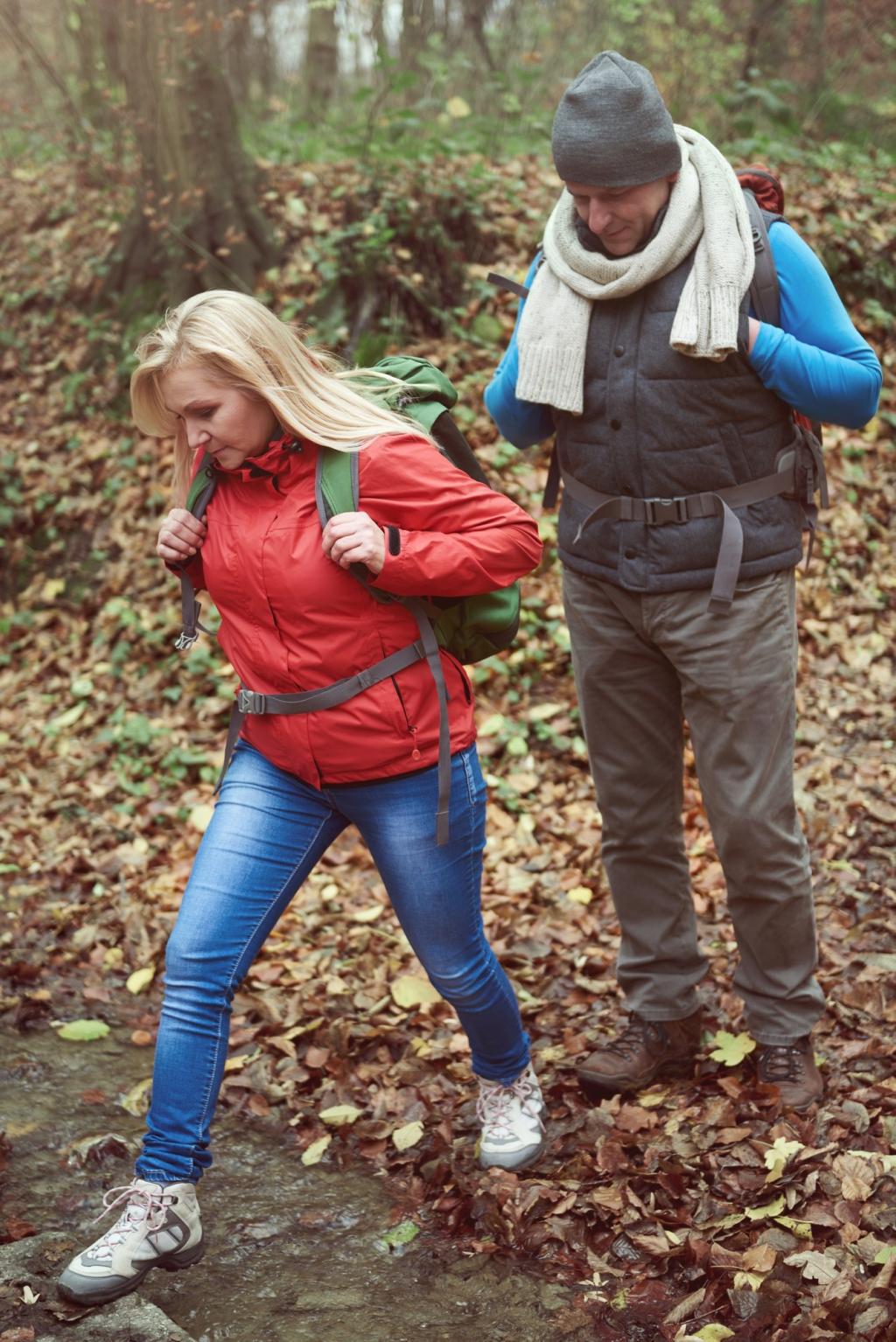

Trail-Ready Starts Here: Pre-Hike Fitness Routines

Start With a Trail-Readiness Check

Quick Mobility Scan

Test ankle dorsiflexion against a wall, hip rotation seated on the floor, and thoracic rotation with crossed arms. These mini-checks reveal hidden stiffness that often sabotages uphill comfort and downhill control on day one.

Simple Cardio Gauge

Walk briskly for twelve minutes, tracking distance and breathing. Speak in full sentences? Great. Struggling after minute eight? That’s your cue to build a consistent aerobic base before your first big elevation day.

Strength Benchmarks

Aim for ten controlled single-leg sit-to-stands per side, a thirty-second side plank each side, and twenty unbroken backpack squats. These indicators anchor your pre-hike fitness routines and highlight progress clearly.

Mobility and Stability: Move Like the Trail Wants

Ankles and Hips Flow

Cycle through ankle rocks, calf sweep stretches, ninety–ninety hip rotations, and deep squat prying. Five mindful minutes daily transform tight steps into springy strides when the trail tilts and twists underfoot.

Core Stability Drills

Practice dead bugs, bird dogs, and loaded carries with a lightly packed backpack. Controlled breaths, slow reps, and neutral spine teach your body to transfer force safely across roots, rocks, and switchbacks.

Balance Practice

Stand barefoot on one leg, eyes forward, then closed, progressing to soft surfaces. Add light head turns. This playful ritual trains ankle reflexes and focus, reducing stumbles when fatigue sets in late.

Endurance for Elevation: Build the Engine

Spend thirty to forty-five minutes walking at a pace where conversation stays comfortable. Three to four times weekly, this quiet effort deepens your base, so long trail days feel surprisingly sustainable.

Endurance for Elevation: Build the Engine

After a warm-up, alternate two minutes uphill with controlled downhill walks, five to eight rounds. Keep breathing steady, posture tall, and strides short. You’ll notice smoother ascents and fewer quad blow-ups later.

Strength That Travels: Power Without Bulk

Rotate goblet squats, step-ups, and reverse lunges two to three times weekly. Focus on controlled tempo and full range of motion. Strong quads and hips make rocky climbs surprisingly playful, not punishing.

Strength That Travels: Power Without Bulk

Hinge with Romanian deadlifts, glute bridges, and single-leg deadlifts. These moves protect knees on descents, storing elastic energy with every step. Keep reps moderate and technique crisp to avoid junk fatigue.

Strength That Travels: Power Without Bulk

Include rows, face pulls, and light overhead presses. Poles, packs, and scrambling demand shoulder stability. Balanced training helps posture resist slouching under load and keeps breathing free during long pushes.

Strength That Travels: Power Without Bulk

Lorem ipsum dolor sit amet, consectetur adipiscing elit. Ut elit tellus, luctus nec ullamcorper mattis, pulvinar dapibus leo.
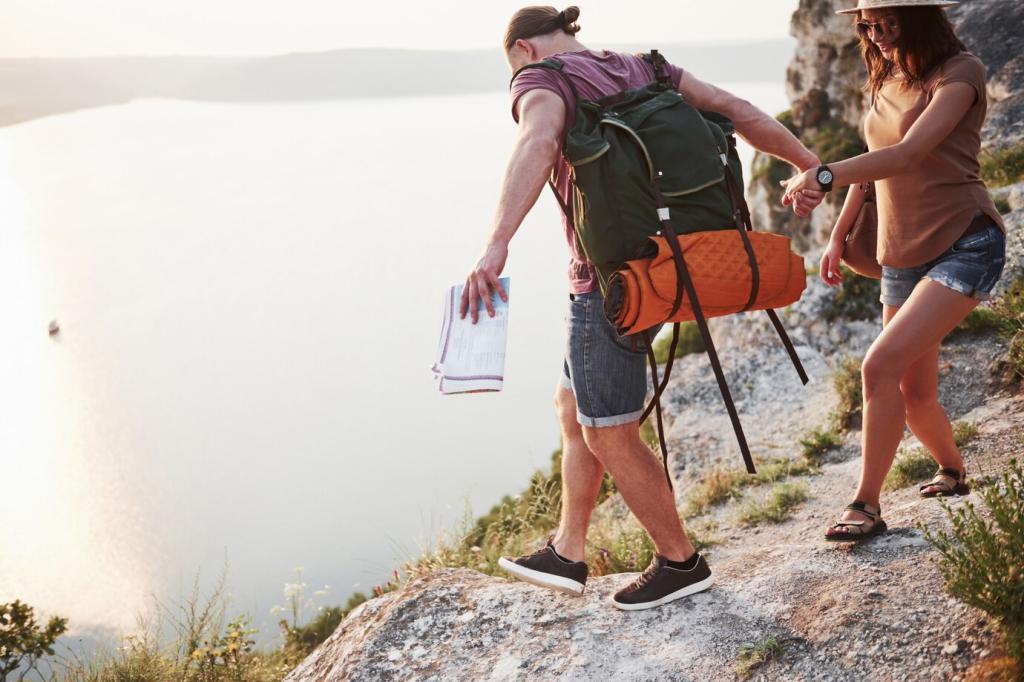
Injury-Proofing and Recovery: Train to Hike Tomorrow

Dedicate ten minutes to calf raises, tibialis raises, and arch doming. Add gentle hip band walks. Tiny, consistent investments create resilient tissues that shrug off slushy trails and relentless switchbacks.

Injury-Proofing and Recovery: Train to Hike Tomorrow

After sessions, walk five minutes, breathe through your nose, and lightly foam-roll calves and quads. Sip water, note perceived exertion, and schedule your next session. Consistency beats heroics every single month.

Fuel and Hydrate the Work

Eat a small carb-forward snack—banana with nut butter or yogurt with honey—twenty to forty minutes before training. You’ll stabilize energy, reduce dizziness, and keep intensity honest instead of frantic.

Fuel and Hydrate the Work

Aim for consistent sips, not chugs. Start well-hydrated, then drink according to thirst during longer sessions. Clear, pale urine and steady energy suggest your routine is dialed for the upcoming trail.

Mindset, Stories, and Staying Power

Close your eyes and picture the first switchback, your breathing rhythm, and the moment the overlook opens. This quick practice turns routine training into purpose, helping commitment stick through messy weeks.

Mindset, Stories, and Staying Power

When Maya added five minutes of ankle work daily, her first alpine hike felt different—lighter, smoother, happier. Share your own breakthrough below so others can borrow what worked for you.
Hayes-purple
Privacy Overview

This website uses cookies so that we can provide you with the best user experience possible. Cookie information is stored in your browser and performs functions such as recognising you when you return to our website and helping our team to understand which sections of the website you find most interesting and useful.